


Hobbies · 4 min
How to Crochet for Beginners
Nutshell One hook, one ball of yarn and three simple moves. A calm start to crochet, from the slip knot to a first dishcloth, with the stitch-name trap that confuses almost everyone.
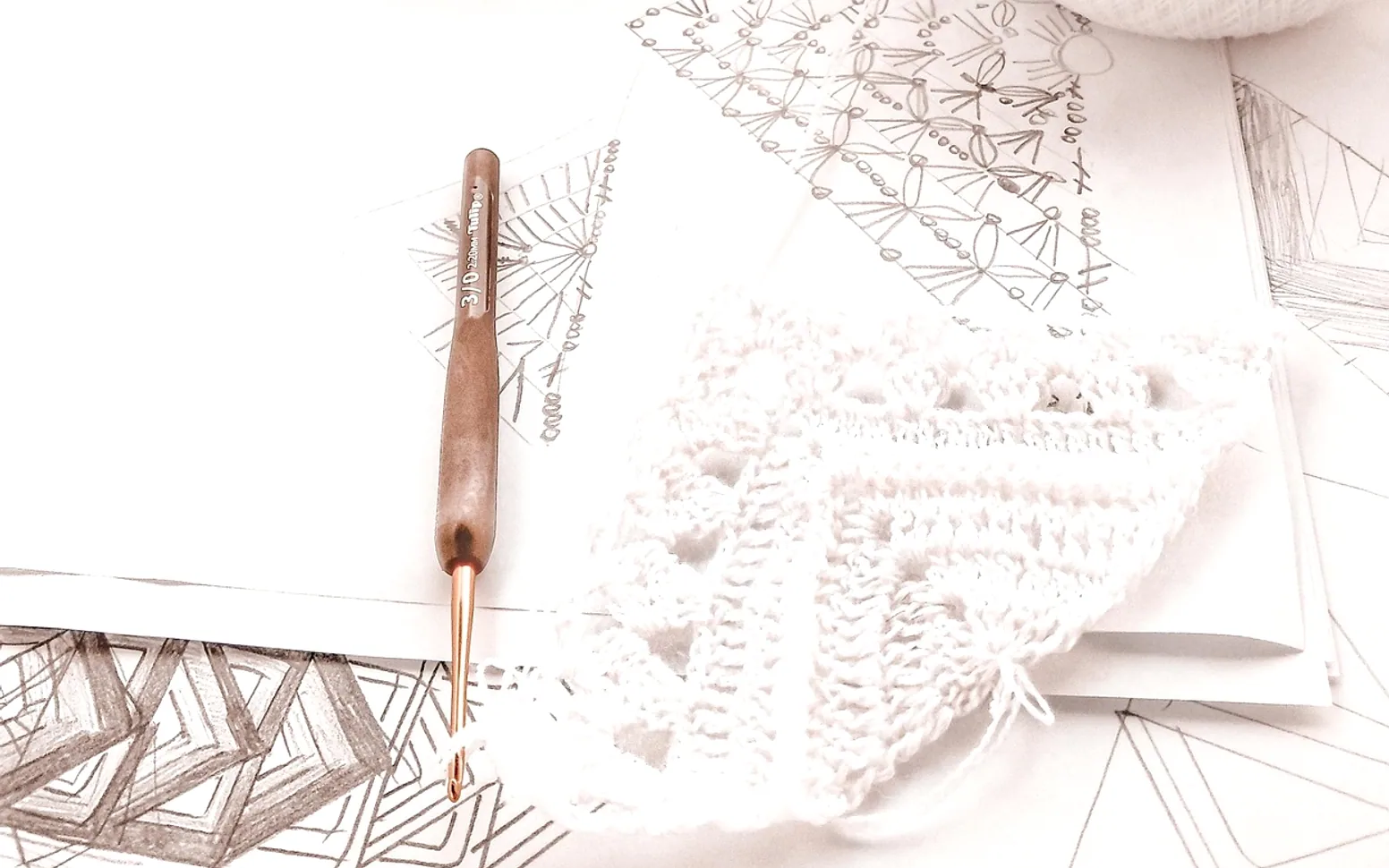
To learn crochet, start with one medium-size hook, a ball of smooth, light-coloured yarn and three moves: the slip knot, the chain and single crochet. Practise those on a small square until the rows look even, then move on to taller stitches and a first real project. Most people have something useful on the hook within a few evenings.
What to buy, and what to skip
- A hook of about 5 mm, often labelled H/8 in the US. Hooks with soft, chunky handles are kinder to the hands during long sessions.
- Medium-weight yarn, sold as worsted or aran and marked with a number 4 on many labels. Pick a smooth cotton or acrylic in a pale shade so every stitch is easy to see.
- Small scissors and a blunt yarn needle for weaving in the loose ends.
- A few stitch markers, or plain safety pins, to flag the first stitch of a row.
Leave fluffy, dark and textured yarns for later. Mohair and bouclé look lovely, but they hide the stitches, which makes counting and fixing mistakes far harder.
Holding the hook and the yarn
There are two common grips. The pencil grip holds the hook like a pen; the knife grip holds it from above, like cutlery. Neither is more correct, so use whichever feels steadier. The other hand controls the yarn, usually looped over the index finger while the thumb and middle finger pinch the work. That hand sets your tension, and even tension is what makes crochet look neat.
The first stitches, one at a time
Slip knot
Make a loop of yarn, pull a second loop through it and slide that onto the hook. Snug it up until it moves freely but does not flop around.
Chain (ch)
Wrap the yarn over the hook from back to front, known as a "yarn over", and draw it through the loop on the hook. That is one chain. Make about twenty for a practice piece and keep them relaxed; a tight starting chain is the most common beginner struggle.
Single crochet (sc)
- Insert the hook into the second chain from the hook.
- Yarn over and pull up a loop, leaving two loops on the hook.
- Yarn over again and draw through both loops.
- Repeat in every chain to the end. Chain one, turn the work and crochet back along the row.
Ten rows of single crochet will teach your hands more than any amount of reading. Count the stitches at the end of each row: if the number creeps up or down, stitches are being added or skipped at the edges.
Taller stitches
Half double crochet and double crochet follow the same idea with extra yarn-overs, so they stand taller and the fabric grows faster. Once single crochet feels automatic, these come quickly.
The stitch-name trap: US versus UK
This catches out nearly every beginner. The same stitch carries a different name depending on where the pattern was written:
| US term | UK term |
|---|---|
| Single crochet (sc) | Double crochet (dc) |
| Half double crochet (hdc) | Half treble (htr) |
| Double crochet (dc) | Treble (tr) |
| Treble (tr) | Double treble (dtr) |
| Skip | Miss |
A quick way to tell: a pattern that mentions single crochet anywhere uses US terms, because UK patterns have no stitch by that name. Check before starting, or a scarf can come out twice as tall as planned.
Good first projects
- A dishcloth in cotton yarn: small, square and useful even if the edges wander.
- A granny square: worked in rounds from the centre, and the building block for blankets, cushions and bags.
- A plain scarf in half double crochet: repetitive, soothing and forgiving.
- A set of coasters: quick wins for practising rounds and colour changes.
Crochet or knitting?
Knitting uses two needles and keeps many live stitches at once. Crochet uses a single hook and completes each stitch before moving on, so a dropped stitch is rarely a disaster. Crochet fabric tends to be thicker and firmer, which suits baskets, toys and blankets, while knitting drapes more softly for jumpers and fine scarves. Plenty of makers end up doing both. If knitting tempts you too, our guide to learning to knit as a complete beginner follows the same step-by-step approach.
Mistakes to expect, and quick fixes
- Edges that slant inwards: usually a missed last stitch or a forgotten turning chain.
- A foundation row that curls: the chain is tighter than the rows above it. Try a hook one size larger for the chain only.
- Aching hands: the grip is too tight. Loosen up and take short breaks.
- Holes in the fabric: often a stitch worked into the wrong loop. Look closely at where the hook goes in on the next row.
Pulling out rows to fix them has a nickname, frogging, and every crocheter does it. It is part of learning rather than a sign of failure.
Keep a record of what you make
A notebook with hook sizes, yarn labels and stitch counts saves a lot of guesswork when you want to repeat a project. A bullet journal makes a tidy project log if that idea appeals. And for a hobby that plays with colour in a completely different way, have a look at watercolor painting for beginners.
Got a topic idea?
Suggestions help us plan.